Deck Installs
- Home
- Deck Installs
Deck install and deck resurfacing company here to help
are you ready to up your backyard game?
A deck can give your backyard an instant upgrade, an attractive focal point, as well as a go-to gathering space to enjoy warmer weather or brisk evenings outside. Whether you’re looking to build a multi-level deck, or a more simple wood patio, the installation process involves a few steps to choosing the deck that best suits your needs and desires. For instance, deciding the type of design you would like for your new deck, choosing the materials to build with, and understanding the difference between those materials and the advantages and disadvantages each kind of material has to offer.
pressure treated wood and composite wood-what are they?
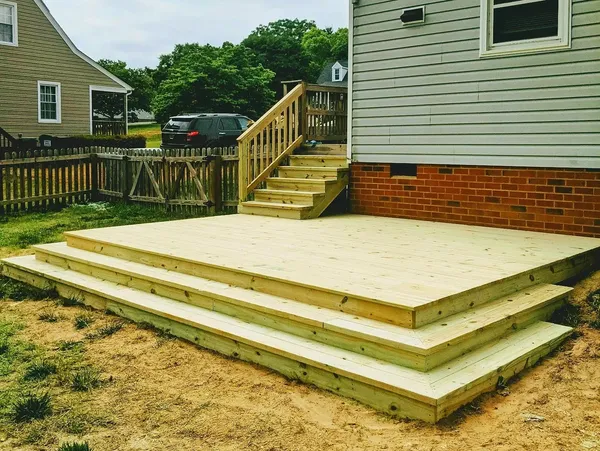
pressure-treated wood deck
Pressure- treated wood is wood that has undergone a special process to enhance its durability and make it less susceptible to decay, insect infestations, mold, and water damage. The green tint that you see on the wood is due to the chemicals used to soak the wood during the treatment process.
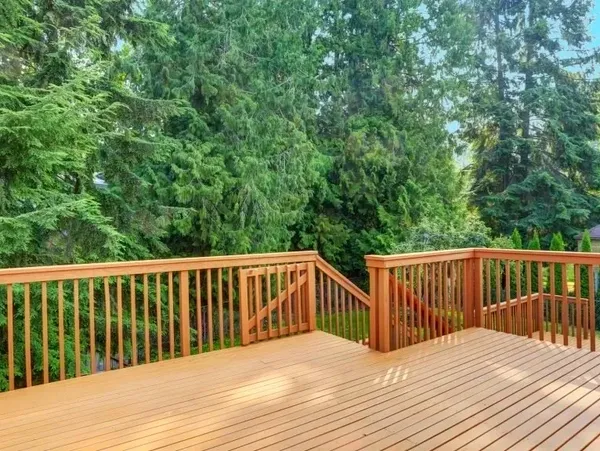
composite wood deck
Composite decking, also referred to as PVC decking, is a blend of plastic film and wood fibers. Composite decking usually falls into two different categories- uncapped wood composite and capped wood composite. Uncapped wood composite is the most susceptible to mold and mildew since there is exposure of wood ingredients with its lack of plastic shelling. Capped wood composite offers an increased protection from mold and mildew as it encased in a plastic shell.
pressure-treated wood vs. composite wood decking
Now that we understand the difference between pressure-treated wood and composite wood decking, there is still a lot to consider between the two. The best way to determine which materials may best suit your new deck install needs and price range is to compare the pros and cons of each.
let's weigh the pros and cons
pressure-treated pros
AFFORDABILITY
Pressure-treated wood is very appealing to homeowners and businesses due to its notably cheaper price tag, making it a great option if operating on a smaller budget.
VERSATILITY
Pressure-treated wood is much like a blank canvas. You can paint or stain it any color you desire to match the exterior of your home perfectly.
DURABILITY
Pressure-treated wood is more durable than many other types of wood, allowing it to resist dents, scratches, and wear. Given its extra strength, it will lead a longer lifespan ensuring that it will last for decades to come with proper care and maintenance.
EASE OF REPAIRS
In the event of harsh weather, an accident, aging, or splintering, etc. The need of repair or replacement to your pressure-treated wood deck is easily and inexpensively repaired in most cases.
pressure-treated cons
SPLINTERS AND CHECKING
Since this type of decking material is made from natural wood, it is only expected that it will splinter over time. After being outdoors, pressure-treated decks may also experience checking, this is a process where the wood begins to dry out and split apart due to alternating exposure to dry and wet climates.
FADING
Due to the exposure of UV rays from the sun, over time you can expect to see fading in your pressure-treated wood deck. But it is not anything a little stain or paint can’t fix.
HIGH MAINTENANCE
To protect your pressure-treated deck from splintering, checking, fading, or becoming porous and soft, you must stain and apply a penetrating sealer to the wood annually. This can be time consuming and costly if hiring a professional to do the job for you.
CHEMICAL RISKS
Since this wood is treated with chemicals for added protection, it can be hazardous if not handled properly. If the wood is cut, trimmed, or burned, it can release harmful toxins into the air. Pressure-treated wood should not be used around gardens or come in contact with your food or drink.
composite wood pros
LESS MAINTENACE
Composite wood decking will still require some maintenance, but nothing like that of pressure-treated wood. It is recommended to give your deck a good scrub in the spring to help keep it free and clear of mold through the seasons.
WON'T ROT OR SPLINTER
Since composite wood is made up of mostly plastic with the integration of wood fibers, you won’t ever notice any rotting or splintering of any kind to your composite wood deck. These decks will last upwards of 50 years when properly maintained.
WEATHER AND STAIN RESISTANT
Composite wood decking is manufactured to be water and stain resistant. Your deck is made to absorb any precipitation that weather climates produce also making your deck less slick than pressure-treated wood as well.
OFFERS AN ARRAY OF COLORS
The colors and styles of composite wood decking are endless. You won’t find any difficulties matching your new deck to the exterior of your home.
composite wood cons
EXPENSIVE
Composite wood decking can be anywhere between 15-20% more than that of pressure-treated decking. However, with the cut of costs in maintenance, and having double the lifespan of a pressure-treated wood deck, it ends up paying for itself in the long run.
SCRATCHES
Though the blend of plastic and wood in composite wood decking can increase the lifespan of your deck, the material is not completely indestructible. Furniture and fallen branches are a just few things that can do a number on composite decking. Unlike pressure-treated decking, you can’t just sand out a scratch in your composite deck; it will require replacing the whole board, which can be pricey if there are multiple boards to be replaced.
CAN LOOK FAKE
Though they have come a long way with the technology used in composite decking to mimic the look of traditional wood, some may beg to differ in saying it looks too fake. Although for most people, composite decking is known for having a striking resemblance to natural wood. So, all in all, you could say this is a matter of personal preference and taste.